The Confidence Erosion Cycle
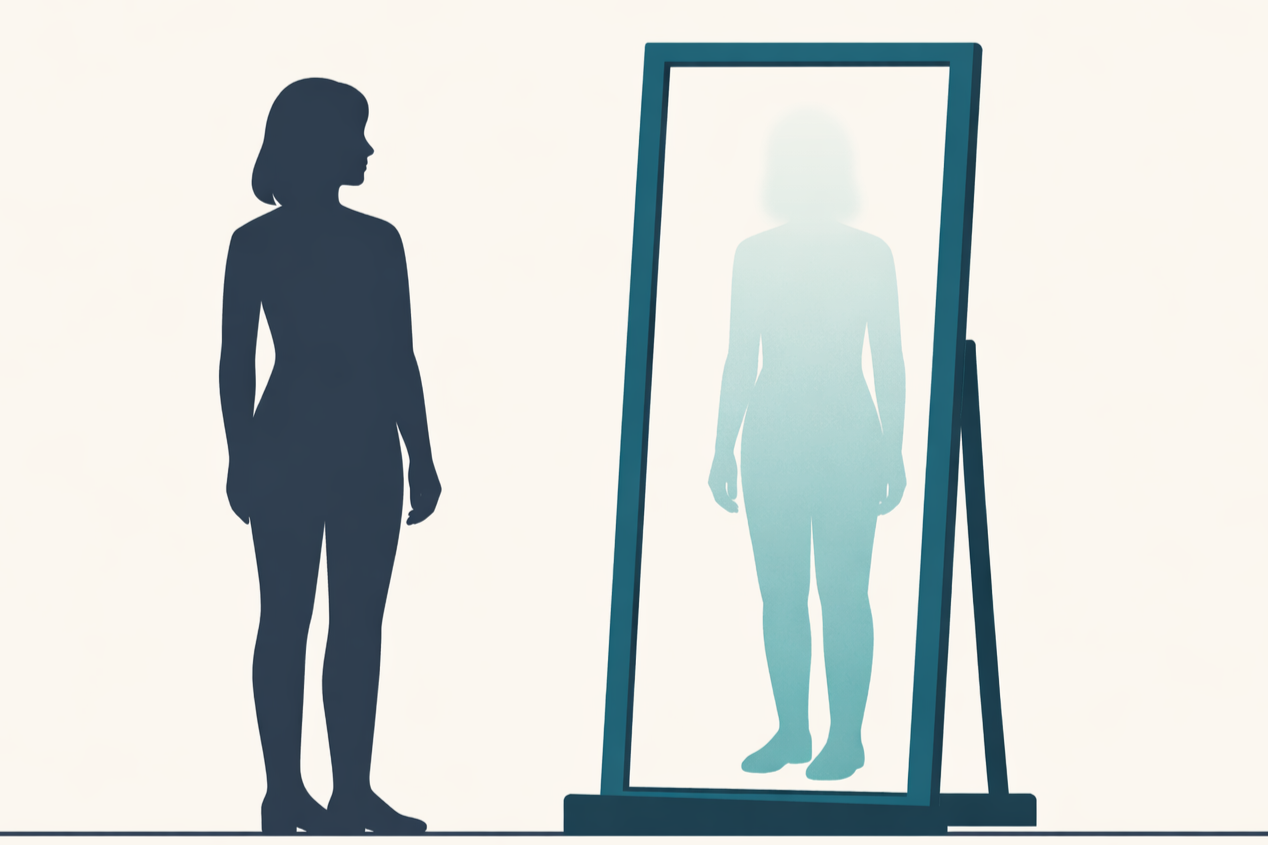
You did not lose your confidence.
It was taken from you. Systematically.
That is not a reframe designed to make you feel better. It is a finding from two decades of research with hundreds of professionals.
The erosion of confidence in toxic workplaces is not a byproduct. It is a mechanism. And it follows a sequence.
The Sequence
Within my work on toxic workplaces, I document eight behavioral cycles that appear consistently across industries, organization sizes, and levels of seniority. The eighth, the Confidence Erosion Cycle, is among the most damaging, because it operates quietly and turns the person against themselves before they know what is happening.
The sequence is: Diminish. Doubt. Depend. Diminish.
Diminish. The leader uses criticism, dismissal, exclusion, or reframing to reduce the person’s standing. This does not have to be dramatic. Often it is not. It is a comment that lands wrong. Credit that disappears. Feedback that arrives late, or not at all, or only when it is negative. A contribution is dismissed in a meeting, quietly enough that you wonder if you imagined it.
Doubt. The professional begins to question their own judgment. Not just in the workplace. In themselves. Decisions they would have made confidently six months ago now require twice the internal deliberation. They replay conversations. They second-guess their read of situations. They start to wonder whether the problem is their performance, their perception, or both.
Depend. Because their own judgment no longer feels reliable, they begin seeking external confirmation. From the leader. From colleagues. From anyone who can tell them whether what they are seeing is real. The leader’s approval becomes load-bearing in a way it was not before.
Diminish again. The dependence makes the next round of diminishment easier. A person who doubts themselves and seeks your approval is easier to manage than a person who trusts their own read of the situation.
The cycle tightens.
What It Sounds Like From the Inside
The professionals in my research described this cycle with nearly identical language across different industries and years of experience.
“I lost my confidence in myself when I used to be very confident.”
“I looked in the mirror and did not know who I was anymore.”
These are not descriptions of burnout. They are descriptions of a specific, documented process that operated on a specific person over time.
What makes this cycle particularly effective, and particularly difficult to name, is that by the time a person reaches the Depend stage, the environment has already convinced them that the problem is personal. Not structural. Not behavioral. Not a cycle at all. Just a failure of resilience, or capability, or attitude.
That interpretation is part of the mechanism.
Why Naming It Matters
The Confidence Erosion Cycle was referenced 15 times across over 67 survey respondents in this study alone. Every mention was unprompted. It is not the most frequently documented cycle. But it is among the most consistently described as the one whose effects lasted longest after leaving. Those who experienced it also required the most sustained work through the RADAR Pathway™. Confidence taken systematically does not return on its own. It has to be rebuilt.
Confidence lost in a toxic environment does not simply return when the environment changes. The cycle leaves residue. Professionals who exit these workplaces often carry the doubt into the next role: second-guessing decisions, over-preparing, reading new managers through the lens of the old one.
Recovery requires first recognizing what happened.
Not “I lost my confidence.”
But: “A specific sequence of behaviors operated on me over time, and this is what it produced.”
That is a different starting point.
It leads to a different focus.