Why The Old Wine Tastes Better
What No One Tells You About Leaving a Toxic Workplace
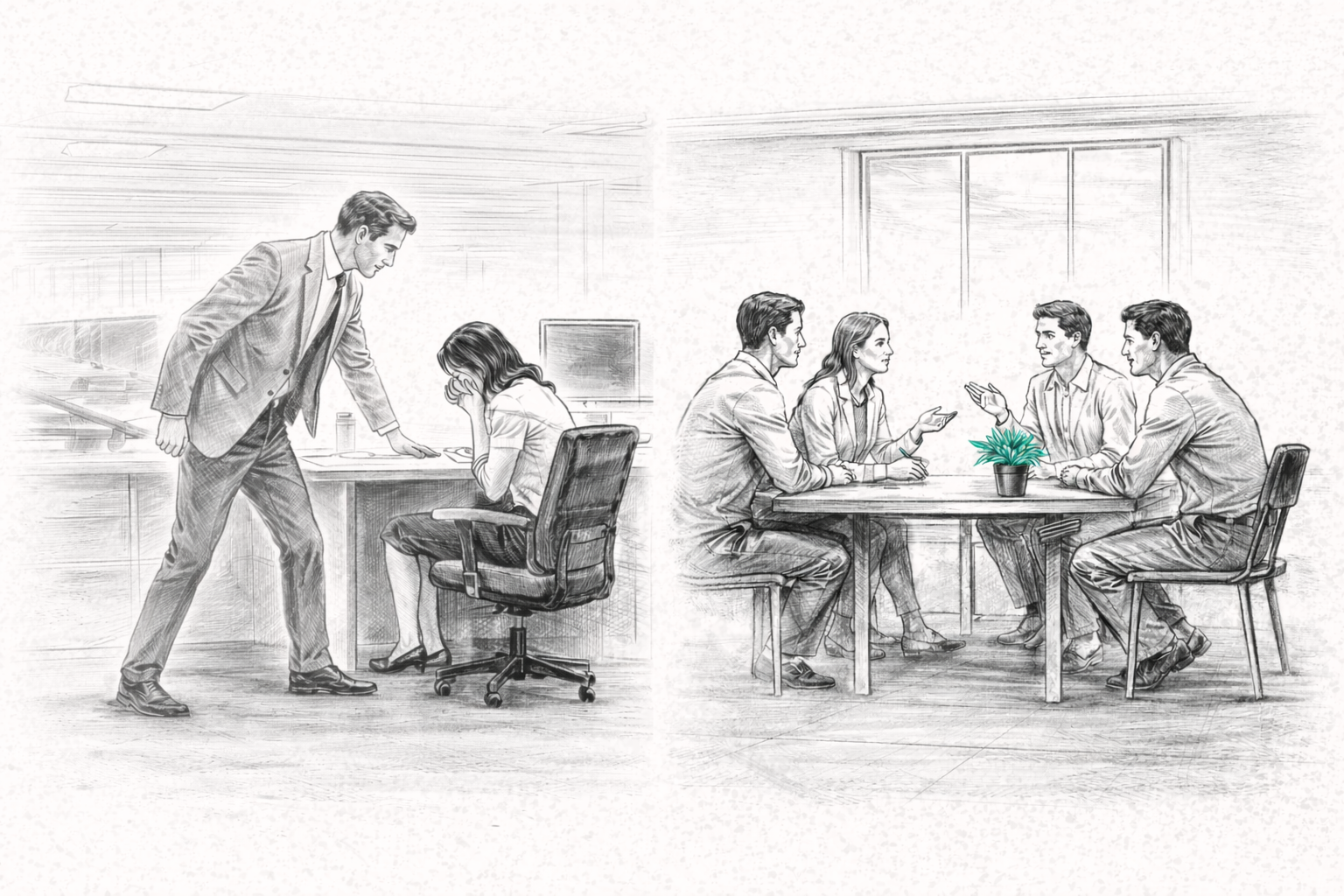
What if it’s worse?
Sarah had been applying to jobs for six months when her friend asked the question that stopped her cold.
“If you got an offer tomorrow, would you actually take it?”
Sarah opened her mouth to say yes. Of course she would. She’d been documenting every indignity at her current job for two years: the boss who took credit for her work, the meetings where she couldn’t get a word in, and the performance review that praised her “potential” while promoting someone less qualified. She had a spreadsheet of job applications. She had interview outfits. She had practiced her elevator pitch until it was smooth.
But her friend was still looking at her, waiting.
“I don’t know,” Sarah finally said. “What if it’s worse?”
New Wine, Old Wineskins
There’s a biblical parable about wine and wineskins. You don’t pour new wine into old wineskins because the new wine is still fermenting. It expands. It builds pressure. And old wineskins have already been stretched to their limit. They’ve lost their flexibility. Put new wine in them, and they’ll burst.
The solution seems obvious: use new wineskins for new wine.
But here’s the part that can be missed. At the end of the teaching, the person who’s been drinking the old wine doesn’t want the new wine. The old tastes better, they say.
Not because it actually tastes better. Because it’s familiar.
The Parable in Practice
I’ve watched this pattern play out personally and in my research dozens of times.
Someone finally gets out of a toxic workplace. They land somewhere healthier. And within months, they’re uncomfortable.
The new place doesn’t micromanage. They’re confused about what’s expected.
The new boss gives autonomy. They feel adrift without constant oversight.
Colleagues are collaborative instead of competitive. They don’t know how to function without watching their backs.
One person I interviewed stated, “I kept waiting for the other shoe to drop.”
This is what the parable explains. Not wine. Not wineskins. The inability to accept something new when you’ve been shaped by something old.
How Toxic Workplaces Shape You
Here’s what happens in a toxic workplace: You adapt. You have to. You learn the unwritten rules. You develop hypervigilance. You read facial expressions and email tone for hidden threats. You become fluent in a language of power plays and subtle punishments.
That adaptation isn’t weakness. It’s survival.
But those same survival skills become liabilities in a healthy environment.
You’ve been stretched into a shape that fits the toxic environment. When you finally leave, you take that shape with you. And a new environment, no matter how healthy, feels wrong because you’re still configured for the old one.
The old wineskin can’t hold new wine. Not because there’s something wrong with the wine. Because the wineskin has been permanently shaped by what it held before.
What No One Told Me
When I left my toxic workplace, I thought the hard part was over. I thought I’d feel immediate relief. Instead, I felt disoriented. The new environment didn’t make sense to me. I kept translating normal interactions through a toxic lens.
A colleague asked a clarifying question. I heard criticism.
My boss said, “Take your time on this.” I heard, “You’re not capable.”
Someone disagreed with me in a meeting. I braced for retaliation that never came.
It took me two years to rewire my brain. Two years to stop expecting punishment. Two years to learn that not every workplace runs on fear.
The parable is right about one thing: you can’t just pour new wine into old wineskins and expect it to work. Something has to change.
But here's where the parable breaks down. Wineskins can't change. People can. It takes time. It takes intention. It's possible.
What You Need to Know Before You Leave
If you’re still in a toxic workplace, this might be the most important thing you need to know: leaving is the first step.
The armor you’ve built to survive won’t just fall off the day you walk out. The hypervigilance won’t disappear. The suspicion, the guardedness, the constant threat assessment, the inability to trust, and the expectation of betrayal won’t evaporate.
You’ll need time to unlearn what the toxic environment taught you.
You’ll need to recognize when you’re reacting to old patterns instead of responding to current reality.
You’ll need patience with yourself when you catch yourself defaulting to survival mode in a place where you’re actually safe.
And here’s the harder truth: you might find yourself saying, “The old wine tastes better.” Not because it actually is better. But because your entire system was built around managing it.
What a Successful Transition Looks Like
The people I’ve interviewed who successfully made the transition all said some version of the same thing: they had to actively practice new behaviors.
They had to practice saying “I don’t know” without fear of punishment.
They had to practice asking for help without expecting it to be used against them.
They had to practice disagreeing without bracing for retaliation.
They had to practice believing positive feedback instead of searching for the hidden agenda.
They had to practice trusting that silence from their boss meant everything was fine, not that something terrible was brewing.
It felt artificial at first. Like wearing someone else’s clothes. But over time, the new patterns became familiar. The new environment started to feel normal. The old wine stopped tasting better.
An Angle Check: When I Exit …
If you’re thinking about leaving a toxic workplace, prepare for the adjustment period after you leave. Don’t expect a seamless transition into a healthy environment. Expect to feel uncomfortable. Expect to misread situations. Expect to catch yourself reacting to threats that aren’t there.
That discomfort isn’t a sign you made a mistake. It’s a signal that you’re changing.
If you’ve recently left and you’re struggling in your new environment, know that what you’re experiencing is normal. You’re not broken. You’re not unable to function in a healthy workplace. You’re just still shaped by the old one. Give yourself time and grace. Be patient with the process.
And if you’re someone who left a toxic workplace and immediately felt relief, who adapted quickly to something healthier? That’s wonderful. But if that’s not your experience, if you’re finding the transition harder than you expected, you’re not alone. Most people do.
You Can Acquire the Taste
The parable ends with the person drinking old wine, saying it tastes better, refusing the new wine.
But the parable doesn’t have to end there.
You can acquire a taste for the new wine. It just takes time. And a willingness to let the new wine breathe before you decide it isn't for you.
The old wine doesn’t actually taste better. It’s just the only wine you’ve known.
Sarah’s Decision
“What if it’s worse?” Sarah had asked.
Here’s what she found out: it wasn’t worse. It was different. And different, after years of toxic, felt so unfamiliar that her nervous system kept calling it dangerous.
It wasn’t. She just hadn’t let the new wine breathe long enough to enjoy the taste.
If you’re still inside a toxic workplace and this article made you think about what’s next, the Situation Clarity Check can help you see where you are.
If you’ve already left and you’re struggling with the adjustment, the Pattern Recognition Quick-Scan can help you name what you’re carrying from the old environment.